
The Ultimate Guide to Mouthguards in Roseville: Protection for Sports & Nighttime Grinding
What Are Dental Mouthguards and Why They Are Important?
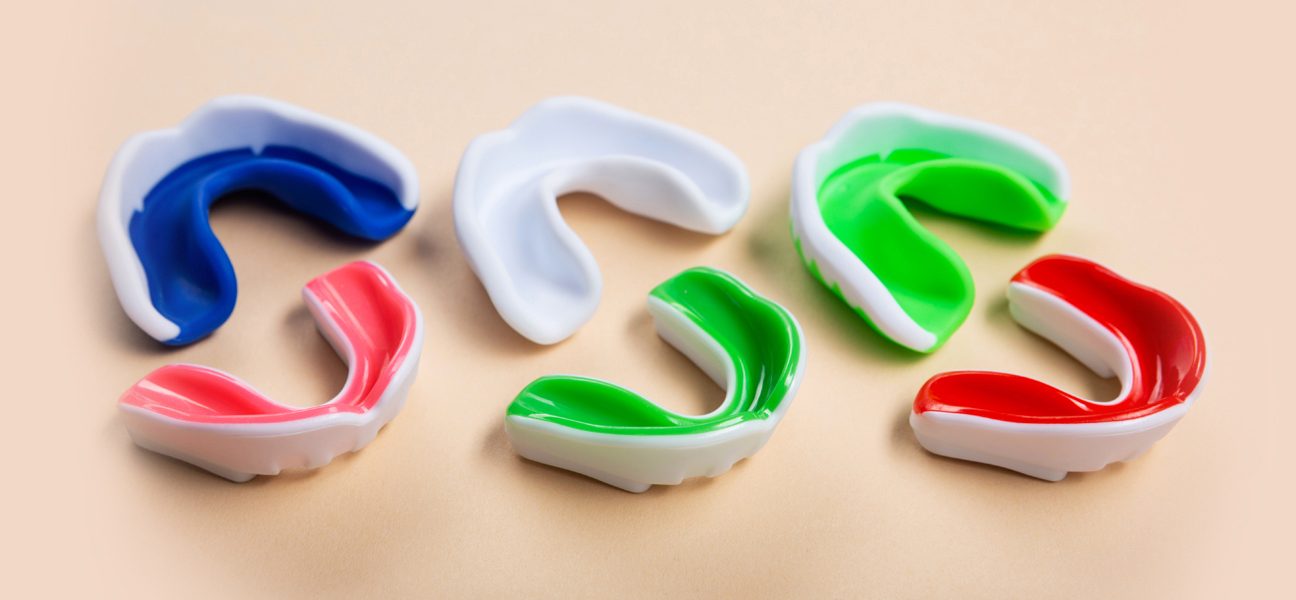
Dental mouthguards are protective oral appliances designed to shield teeth, gums, and jaw structures from injury or excessive force. They are commonly used during sports activities and at night to manage teeth grinding or clenching. While mouthguards may look simple, their role in protecting oral health is significant.
During sports, accidental impacts to the face or jaw can lead to chipped teeth, fractures, soft tissue injuries, or even jaw damage. At night, grinding or clenching—often linked to stress or bite alignment—can cause gradual tooth wear, jaw pain, and headaches. Properly fitted mouthguards help absorb and distribute pressure, reducing the risk of long-term damage.
Patients exploring mouthguards in Roseville often seek solutions that protect their teeth while remaining comfortable enough for regular use. Understanding how mouthguards work is the first step toward making an informed choice.
Types of Mouthguards for Sports and Nighttime Teeth Grinding
Mouthguards generally fall into two main categories: sports mouthguards and night guards. Each serves a distinct purpose and is designed differently based on how and when it is used.
Sports mouthguards are worn during physical activities such as football, basketball, hockey, martial arts, or even recreational sports. These guards help protect teeth from direct impact and reduce the risk of oral injuries.
Night guards, on the other hand, are designed to be worn during sleep. They help manage bruxism, a condition where teeth are ground or clenched unconsciously at night. Over time, bruxism can cause enamel wear, tooth sensitivity, jaw discomfort, and even cracked teeth if left unaddressed.
A dentist in Roseville can help determine which type of mouthguard is appropriate based on a patient’s lifestyle, symptoms, and oral health needs.
How Custom Mouthguards Protect Teeth and Jaw Health?
Custom mouthguards are made using precise dental impressions, allowing them to fit securely and comfortably over the teeth. This tailored fit helps ensure even pressure distribution across the bite.
For sports use, custom mouthguards absorb shock more effectively than generic options, reducing the chance of tooth displacement or jaw injury during impact. For nighttime use, custom night guards help minimize tooth-to-tooth contact, which protects enamel and reduces stress on the jaw joints and surrounding muscles.
By maintaining proper spacing between the upper and lower teeth, custom guards can also help relieve jaw tension and reduce symptoms such as morning headaches or facial soreness. Their precise fit allows patients to speak and breathe more easily compared to bulkier alternatives.
Who Needs a Sports Mouthguard or Night Guard?
Mouthguards are beneficial for a wide range of patients, not just professional athletes. Children, teens, and adults who participate in contact or high-risk sports can benefit from wearing a sports mouthguard during activity.
Night guards may be recommended for individuals who:
- Grind or clench their teeth while sleeping
- Wake up with jaw pain or headaches
- Have worn, flattened, or chipped teeth
- Experience jaw clicking or tightness
Patients searching for mouthguards near you often discover that symptoms they considered minor may actually be signs of ongoing dental stress. A dental evaluation helps identify whether a mouthguard could prevent further damage.
Benefits of Custom-Fit Mouthguards Compared to Store-Bought Options
Store-bought mouthguards are widely available and may seem convenient, but they often come with limitations. These guards are made using standard sizes and materials that may not fit securely or comfortably.
Custom-fit mouthguards offer several advantages:
- Improved comfort due to precise fit
- Better protection through even force distribution
- Reduced risk of slipping or falling out
- Easier breathing and speaking
- Greater durability over time
Poorly fitting mouthguards may lead to discomfort, irritation, or inconsistent use. Custom options are designed to encourage regular wear, which is essential for effective protection.
How to Care for and Maintain Your Mouthguard Properly?
Proper care helps extend the life of a mouthguard and keeps it safe to use. Mouthguards should be cleaned after each use with a soft toothbrush and mild soap or a dentist-approved cleaner.
Additional care tips include:
- Rinsing the guard thoroughly before storing
- Allowing it to air dry completely
- Storing it in a ventilated case
- Avoiding exposure to high heat
- Bringing it to dental visits for inspection
Regular checkups allow dentists to assess wear and ensure the mouthguard continues to fit correctly. Changes in teeth alignment or damage to the guard may require adjustments or replacement.
Schedule a Custom Mouthguard Consultation in Roseville Today
Protecting your teeth from sports injuries or nighttime grinding starts with choosing the right mouthguard. A personalized consultation allows patients to discuss symptoms, activities, and comfort concerns while exploring custom options designed for their needs.
For patients looking to safeguard their smile with professional guidance, Eureka Ridge Dentistry offers customized mouthguard solutions designed to support long-term oral health and comfort.
Frequently Asked Questions
With proper care, most custom mouthguards last several years. Longevity depends on usage, grinding intensity, and regular dental evaluations.
Yes. Children who play sports can benefit from custom mouthguards, though replacements may be needed as their teeth grow and change.
No. Night guards and sports mouthguards are designed differently based on their purpose and the type of forces they manage.
A night guard helps protect teeth from damage but does not eliminate grinding itself. It reduces wear and strain on teeth and jaws.
If a mouthguard feels loose, uncomfortable, or shows visible damage, it should be evaluated by a dentist to determine if replacement is needed.