
Free Dental Implant Consultation in Roseville: What to Expect and How to Schedule?
Losing a tooth affects more than appearance. It can impair chewing efficiency, reduce speech clarity, and increase stress on surrounding teeth. If you are considering a permanent replacement, a consultation is the appropriate first step.
This consultation focuses on reviewing treatment choices and assessing whether implants are clinically appropriate. At Eureka Ridge Dentistry, the consultation focuses on education, diagnosis, and careful planning to help patients make informed decisions.
Understanding How Dental Implants Replace Missing Teeth
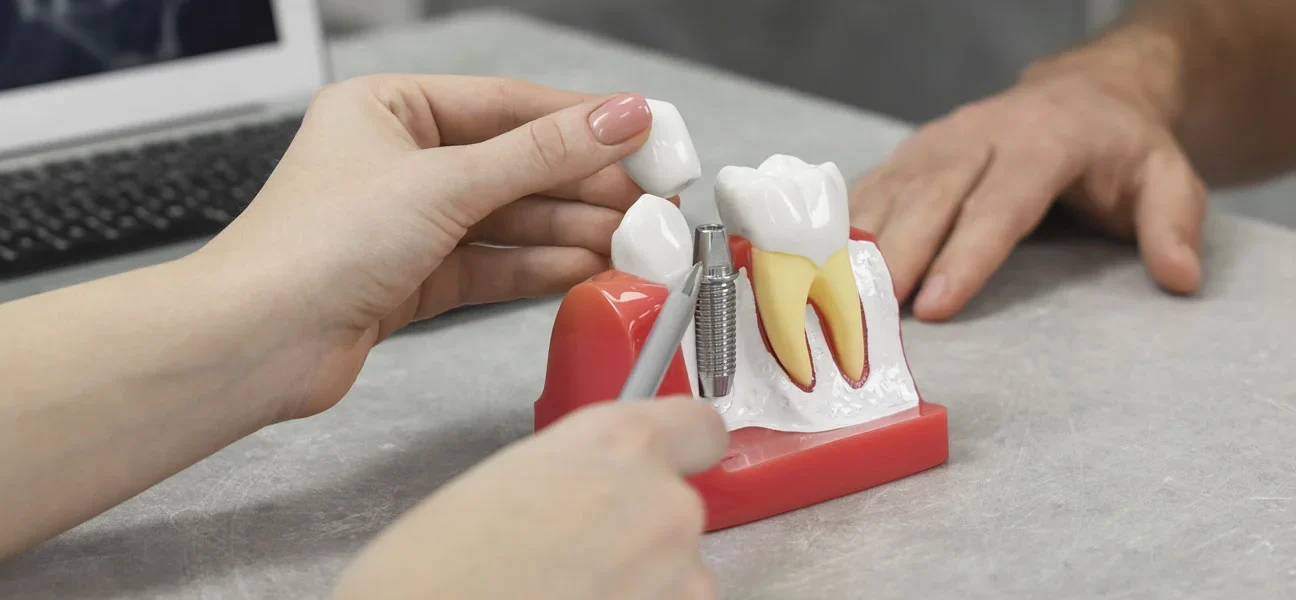
Dental implants are small titanium posts placed into the jawbone to replace missing tooth roots. Over time, the implant integrates with bone through a biological process called osseointegration. Once healing is complete, a crown, bridge, or denture is attached to restore chewing function.
Because implants anchor directly in bone, they create stability that removable appliances cannot match. Unlike traditional bridges, they do not require reshaping adjacent teeth for support. This preserves surrounding tooth structure and maintains proper spacing.
For patients considering dental implant services, implants provide a stable way to replace one or more missing teeth.
How Implants Support Long-Term Oral Stability?
When a tooth is lost, the surrounding bone may gradually shrink due to a lack of stimulation. This process can affect facial structure and bite alignment. Implants transmit chewing forces into the jawbone, helping maintain bone volume.
Tooth loss can also cause neighboring teeth to drift. Maintaining proper spacing promotes even bite distribution and limits uneven wear.
Compared to removable dentures, implants generally allow for greater bite stability and more consistent chewing function. After tooth implant treatment, patients often experience improved bite efficiency and restoration stability.
Ongoing implant performance is shaped by oral hygiene habits and regular clinical follow-up.
What Happens During the Initial Consultation?
At the start of the appointment, your dentist reviews your medical and dental background. Identifying medical factors that may influence recovery is an essential part of surgical preparation.
Any active infection or untreated periodontal disease must be addressed before implant placement is considered.
You will also discuss your goals, timeline, and any concerns. The steps involved in tooth implant treatment are explained clearly, including surgical placement, healing time, and final restoration.
The goal of this appointment is to analyze findings and establish whether implants are indicated.
Determining Whether Implants Are Appropriate for You
Not every patient is immediately ready for implant placement. Bone density, gum health, and systemic health factors all influence candidacy.
A dentist in Roseville, CA, reviews bone volume, gum condition, and radiographic findings to establish whether implant placement is suitable. If bone support is limited, grafting procedures may be discussed. Smoking, uncontrolled diabetes, and certain autoimmune conditions may also influence healing outcomes.
Healthy gum tissue is essential for long-term implant stability. If inflammation or infection is present, treatment is recommended before proceeding.
Clinical data and imaging findings guide the decision to proceed with implant placement.
Common Questions About the Implant Process
A common concern involves post-procedure discomfort. Implant placement is typically performed with local anesthesia, and most individuals describe it as manageable—mild soreness after the procedure is expected but usually temporary.
Healing time varies. Following placement, osseointegration must occur before the definitive restoration is placed. This stage can take several months, depending on individual healing patterns.
Implant longevity depends on consistent oral hygiene practices and regular professional cleanings. Long-term outcomes are influenced by daily plaque control and routine evaluation.
Why Imaging and Planning Matter?
Diagnostic imaging plays a central role in implant planning. Digital X-rays and 3D scans allow detailed evaluation of bone structure, sinus location, and nerve position.
A dentist in Roseville, CA, uses this information to determine precise implant positioning. Accurate placement supports proper bite alignment and contributes to long-term functional stability.
Comprehensive planning helps detect anatomical considerations before surgery.
Scheduling Your Consultation in Roseville
If you are considering dental implant services, scheduling a consultation provides clarity about your oral condition and available treatment options. During this visit, your health status is reviewed, and candidacy is assessed based on clinical evidence.
Eureka Ridge Dentistry provides consultations focused on careful evaluation and patient education. Recommendations are made only after reviewing diagnostic findings and individual risk factors.
A scheduled consultation begins the formal assessment process for implant placement.
